Meet Margo Malowney! Olympian & Marketing Executive
VISIONARY SPOTLIGHT
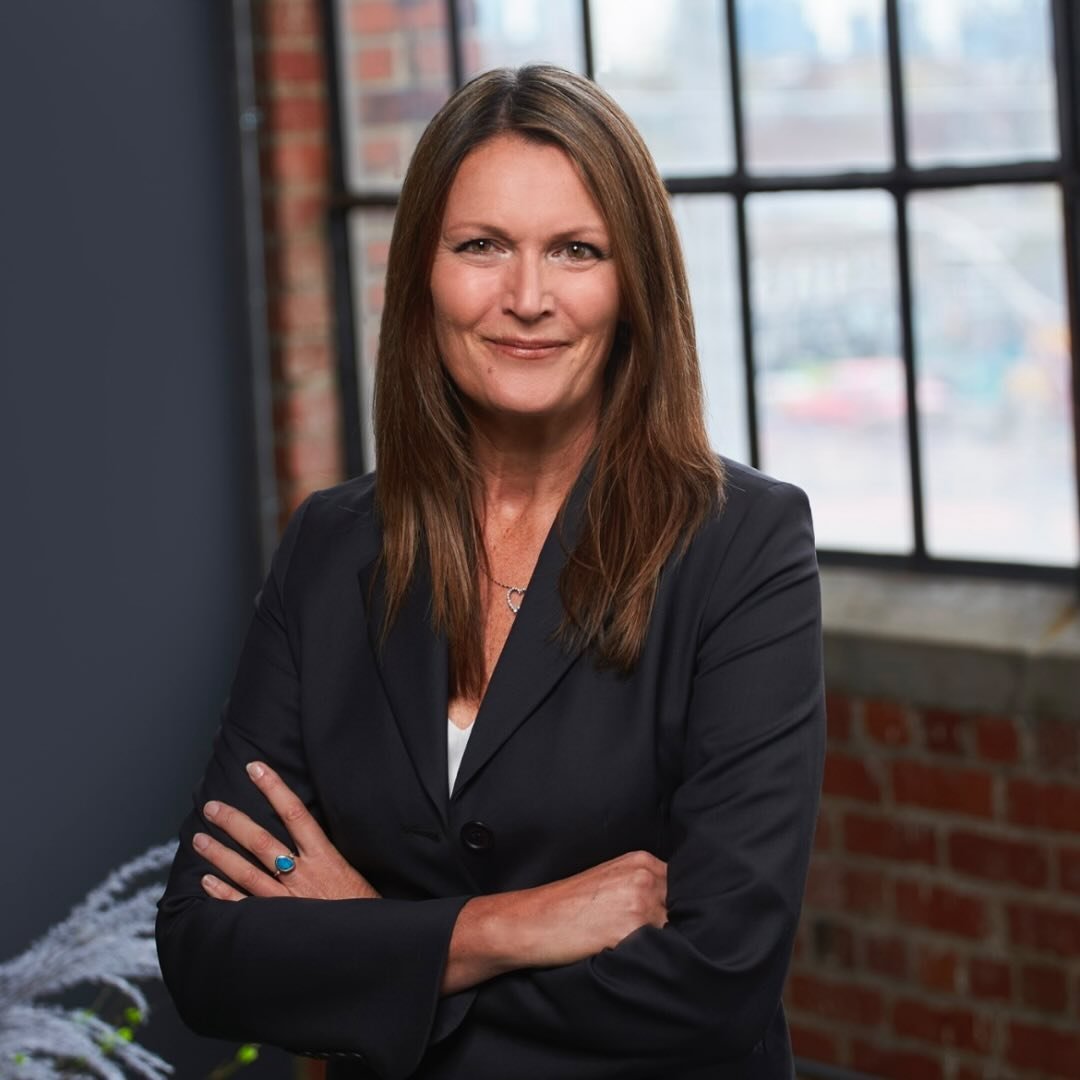
Photo: Margo Maloney, Instagram
Some people don't wait for a path to exist. They clear the sand, set up the net, and build it themselves. Margo is one of them.
I was introduced to Margo by our mutual friend (and past Rain or Shine guest) Laura Sinclair, and I knew right away I had to get her on the podcast ahead of her talk at our Wave event in Paris, Ontario. Margo played in the very first Olympic beach volleyball tournament, back when the sport wasn't even officially recognized in Canada, and then spent nearly three decades in executive marketing and communications leadership. So for this Visionary Spotlight, I'm pulling from our conversation to bring you her journey, in her own words.
Tell us about your business and how it started.
Sport was always part of Margo's life. Her mother was a standout athlete at UNB, captain of the basketball and volleyball teams and a multiple-time athlete of the year. Her father played football at U of T and Acadia. Growing up in Mississauga, Margo would tag along as her mom ran the Mississauga Women's Basketball League, which she founded and led for about 15 years. "Optically, I got to see women competing and achieving from a very young age."
She tried everything, from swimming and high diving to dance and horseback riding, before narrowing it down to volleyball. What hooked her was the community. "In volleyball you go out and hang out with your competitors after you're done."
Why beach volleyball?
When Margo moved from indoor to beach, she fell in love with the accountability. Indoors, the ball can cross the net several times without you touching it. On the beach, with only two players, you're part of every single play.
"If you win five in a row with different partners, you can say something is working. If you lose five in a row with different partners, you can only look in the mirror and say, 'I need to make some adjustments.'" To her, it was almost an entrepreneurial sport. "You're building it yourself."
And, just like in business, she believes competitors make each other better. "You don't want to play down, and they don't want to play down against you."
“The better you are, the better I get.”
-Margo Malowney
What did it take to get to the Olympics?
When Margo started playing, beach volleyball wasn't recognized by Volleyball Canada, Sport Canada, or the Canadian Olympic Committee. The athletes built it themselves. She'd put on a suit for her job at an investment bank, then drive to the beach to meet her "tribe of women," who would clear the sand, measure the courts, and set up their own nets, often right next to signs that read No Volleyball Playing.
After a summer on the Canadian tour, she turned down a full-time offer at the bank, waitressed to save up for a ticket, and moved to Bondi Beach in Australia to keep playing through the winter. That's where her trajectory changed. When the World Tour stopped at Bondi, she watched as a fan for a couple of days, until she realized the players weren't as strong as she'd expected. "By the end of day three, my trajectory had taken a hard right: I'm going to play on this tour."
She moved to San Diego, started a master's degree, and began competing on the World Tour. Then beach volleyball was announced as an Olympic sport, and suddenly the organizations that hadn't supported it had a team sitting in a qualifying position. In Canada, the sport was still seen as "beer and bikinis," and there was real skepticism. "There was no path. We had been forging it ourselves with our machetes and our volleyballs."
But they made it, and they played in the very first game of the Olympic tournament. Fun fact: thanks to a ticketing error, that game started an hour early, so her parents missed the first half.
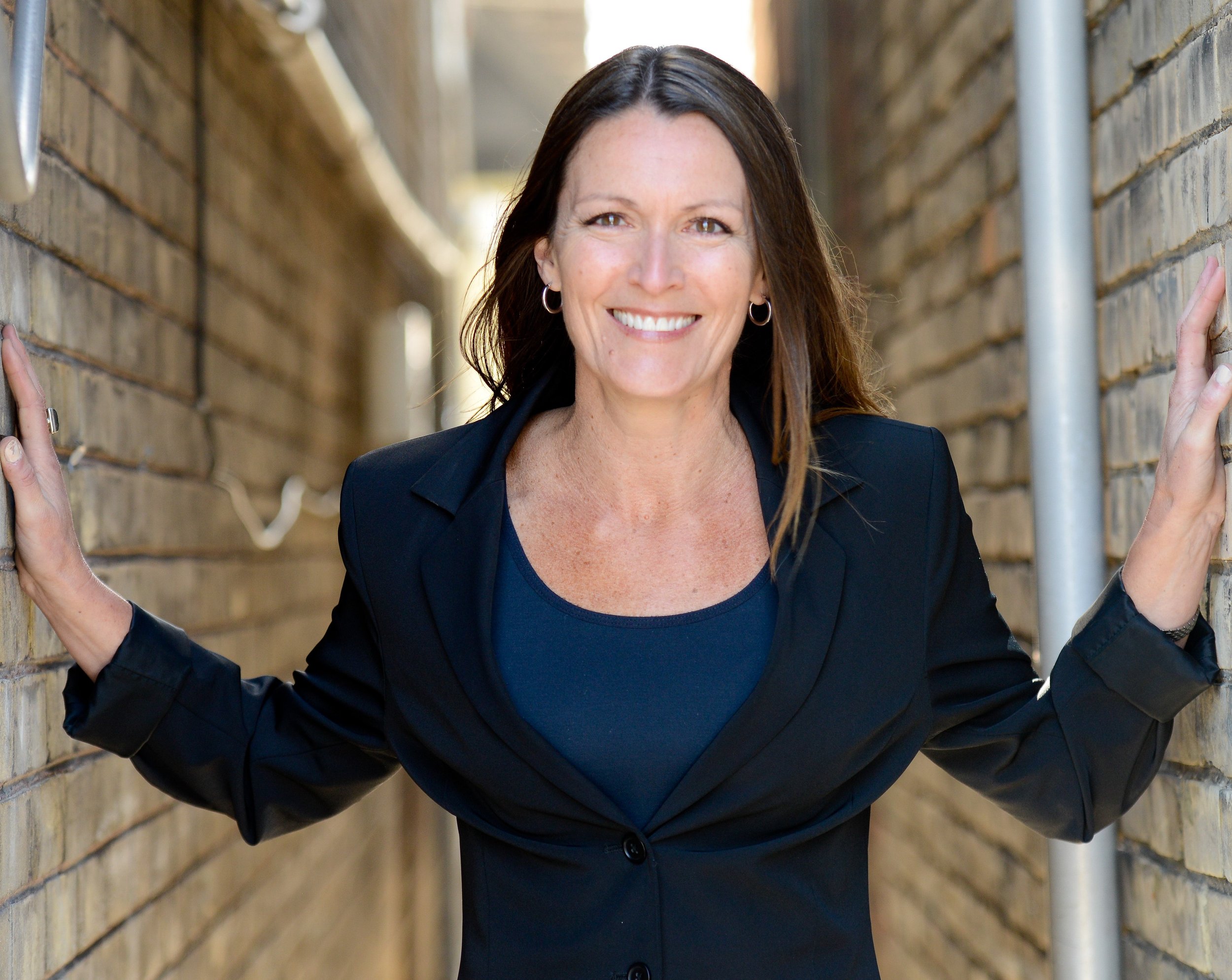
Photo: Margo Malowney, Linkedin
How do you advocate for yourself when there's no playbook?
Margo is honest that she didn't always do this well. Back in Toronto, she used to hide her beach volleyball career, telling people she was a student until she felt she'd built enough credibility. "As a female athlete, your credibility already requires extra work. Add the bikini piece and you're starting at a deficit."
She also held her tongue when decisions were being made about the sport she knew best. "We were the experts. But I sat back and let others make decisions because I felt it wasn't my place. I think that's a very female thing to do."
Her advice now is to start before you feel ready. "If you do nothing, that's a choice. If you stay silent, nothing moves forward." Start the conversation, even if the idea isn't fully formed. "It might feel brave, but be brave."
What parallels do you see between sport and business?
Margo has always been drawn to building, creating, and fixing things. Her career has followed that same thread: companies being bought or sold, startups, and greenfield builds, including an event venue that literally started as a hole in the ground and a Silicon Valley startup where engineers were "sleeping in the office and eating Cheerios at three in the morning."
She also took a couple of roles at more structured organizations. They looked great on a resume and reconnected her to the Canadian market, but her passion didn't thrive there. She doesn't see that as a mistake. "Stay long enough to learn, take what you need, and then move back toward what really fires you up."
What's the biggest mistake you see women in leadership make?
Not understanding their own personal brand, and not in a crafted marketing sense. It's about genuinely knowing what brings you joy, what energizes you, and what drains you. "Those are just data points about how your system fires." Once you know them, you can own your voice and seek out roles where "your nature is a fit rather than a force."
She learned that through her own work, too. For the first half of her career, she followed more external advice and "ladder thinking." Later she took a leadership course through Oxford and started working with a coach. "My only regret is that I didn't start sooner."
What’s something you always do?
Walk her dog, every single day. It gets her out of her office and into motion, and she loves that it's for another being, too. "The more things he sniffs, the more his brain is wiring, the happier a dog he is." (This year, he's getting boots and a hat.)
How do you wind down after a busy week?
By painting, and not art. Margo loves painting walls and entire rooms. "The repetitive motion just lets my mind have a little breather." You get an instant, visible result, and if she doesn't love the colour, she'll just paint it again the next week.
Advice for other entrepreneurs having a rough day?
Get yourself around your people. "The easiest thing is to be surrounded by people with the same level of interest, passion, and commitment. There's no work involved because you're all speaking the same language." Whether that's in person or online, those communities help you carry that energy through "the inevitable downtimes, obstacles, and naysayers."
“If you do nothing, that's a choice.”
-Margo Malowney
A resource that’s added value to her journey?

A podcast Margo is loving right now as she dives into climate work. It's passion-driven and focused on the positive science and technology emerging in the space, rather than doom and gloom.
Margo's full story, including her advisory work and Good Girl Pearl (a children's book she wrote during the pandemic, with all proceeds supporting the dog rescue she fostered with in Toronto's Beaches neighbourhood), can be found on LinkedIn and Amazon.
Visionary Spotlight
Want to be featured in an upcoming Visionary Spotlight?
Email support@kelseyreidl.com