VISIONARY SPOTLIGHT
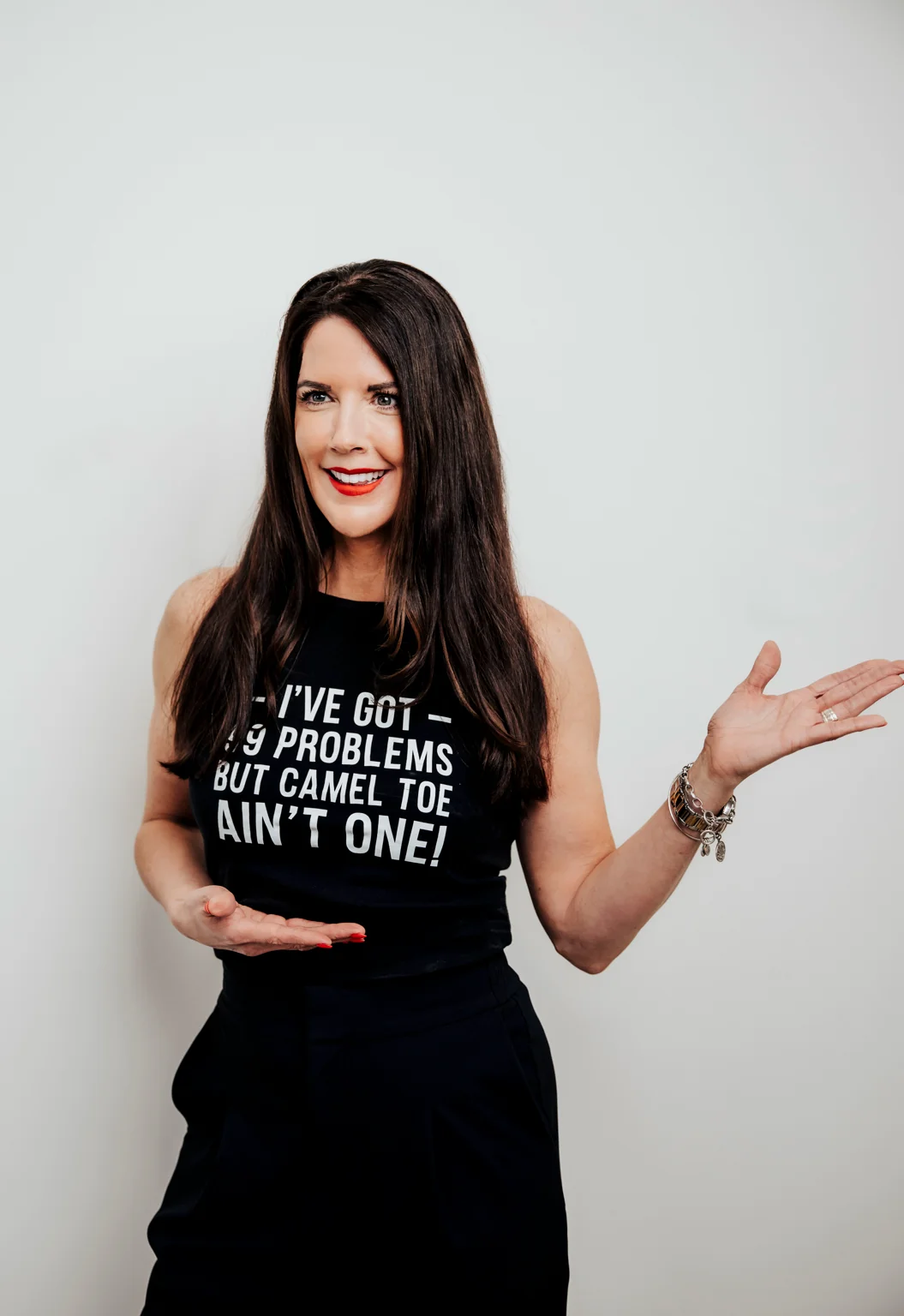
Photo: Jen Govier, myhux.ca
Some business ideas start in a boardroom. Jen's started with an embarrassing glance in the gym mirror.
In over 450 episodes of the Rain or Shine podcast, we had never talked about underwear, let alone camel toe, until Jen joined me. She spent more than 20 years in banking and wealth management before turning one awkward moment into HUX, a performance underwear brand now sold in 19 countries. Her story is equal parts hilarious, gritty, and inspiring, and it's one of my favourite conversations in a long time. So for this Visionary Spotlight, I'm pulling from our conversation to bring you her journey, in her own words.
Tell us about your business and how it started.
Jen was at the gym checking her form in the mirror when she saw it. "I saw my camel toe and I was mortified. I didn't know whether to stay or leave."
When she talked to other women, they all knew the problem well. Some wore long tunics, others switched to shorts. Her niece, a cheerleader, told her they stuck inserts into their shorts. So Jen tried a version of her own: an insert made to keep your foot from slipping in a high heel, tucked into her workout pants. It worked. But then, while she was doing warm-up laps, it fell out, and her instructor, Wanda, picked it up off the floor so nobody would trip, not realizing where it had just been.
"That was literally the genesis of HUX. I thought, 'Why isn't this stitched into underwear?'" She was working in finance at the time, but women kept sending her clips of celebrities complaining about the same issue. So she committed to doing one thing every day to move the idea forward.
What were your first steps?
She started by validating the idea with close friends and colleagues, including a man she worked with at one of Canada's top banks, who told her he'd heard his wife talk about the exact same problem. Then came research: ordering everything on the market, studying fabrics, and visiting the engineering department at Western University. All of it happened on evenings and weekends while she worked full-time, traveled for work, and raised two young boys.
The idea started in 2016, and HUX launched in 2020. Along the way, friends at a spiritual retreat in Costa Rica happened to meet a woman with a background in fashion, including her own line, work with Nike, and appearances on the Home Shopping Channel. They told her about Jen's idea, and she flew from New York to Toronto just to meet her. "We sat in Sassafras restaurant pulling out a prototype pair of underwear with literal staples in it. But once I was intentional, the right people and the right doors started opening."
"Time was going to pass anyway."
-Jen Govier
What were your first steps?
She started by validating the idea with close friends and colleagues, including a man she worked with at one of Canada's top banks, who told her he'd heard his wife talk about the exact same problem. Then came research: ordering everything on the market, studying fabrics, and visiting the engineering department at Western University. All of it happened on evenings and weekends while she worked full-time, traveled for work, and raised two young boys.
The idea started in 2016, and HUX launched in 2020. Along the way, friends at a spiritual retreat in Costa Rica happened to meet a woman with a background in fashion, including her own line, work with Nike, and appearances on the Home Shopping Channel. They told her about Jen's idea, and she flew from New York to Toronto just to meet her. "We sat in Sassafras restaurant pulling out a prototype pair of underwear with literal staples in it. But once I was intentional, the right people and the right doors started opening."
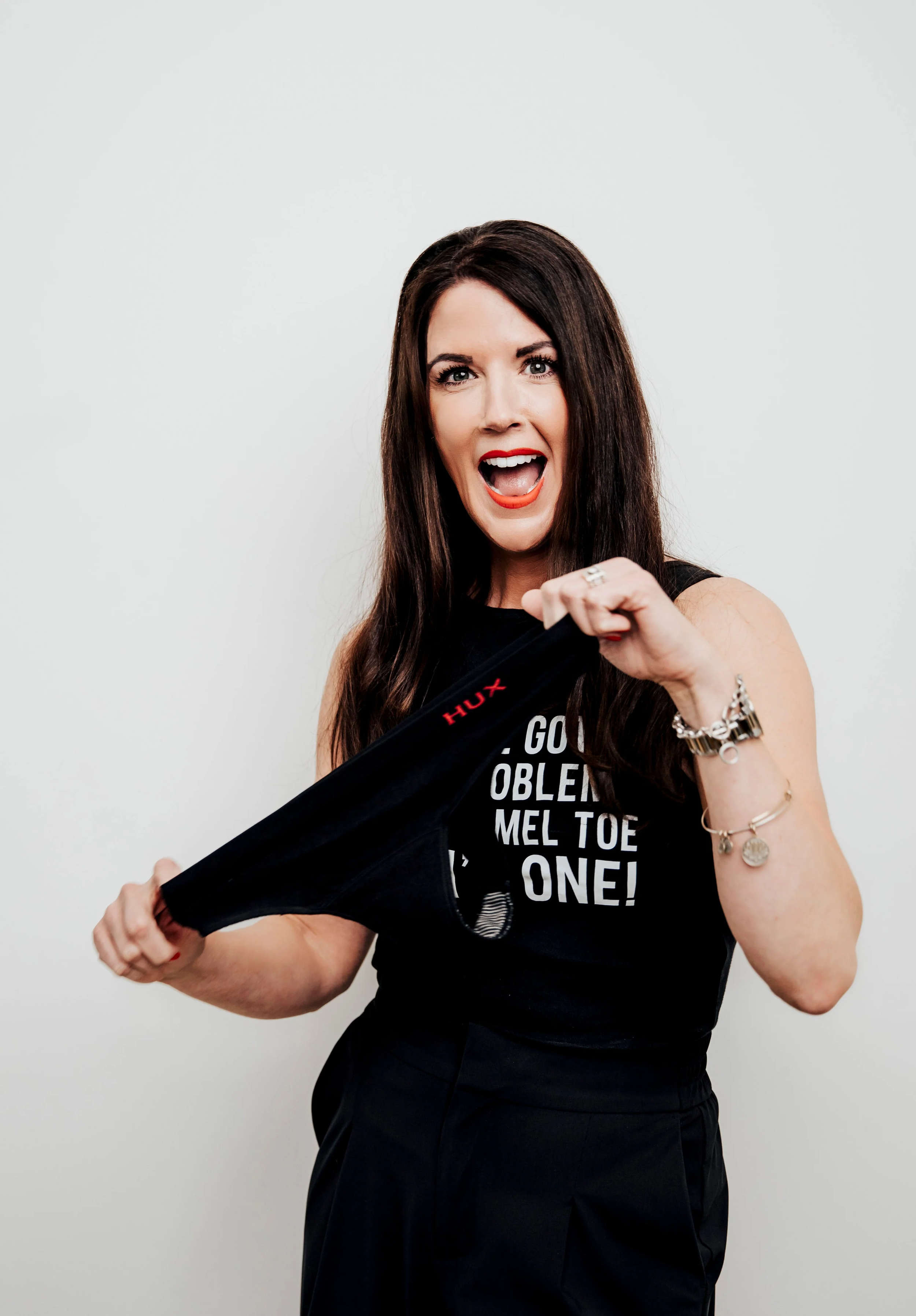
Photo: Jen Govier, myhux.ca
How did you navigate the biggest leap of your career?
Even after launching, Jen didn't leave her job until January 2025. She wanted proof of concept, recurring revenue, customer testimonials, and manufacturing in place. And she was leaving a lot behind. She was the first woman in her role, running private wealth management offices in multiple cities, "earning more than I had ever dreamed of. It was everything I'd wanted as a child."
Her business coach and executive coach both told her the same thing. "Jen, you don't need more time. You need a deadline." She was terrified, and many people thought she was crazy to leave a sure thing as she was turning 50. But HUX had already sold in 19 countries. "What does a half-million dollars in deferred compensation matter if I truly believe this is going to be a global brand?"
The day she resigned, HUX was on Breakfast Television. Within three months, she'd signed a national partnership with GoodLife Rewards, and HUX doubled its revenue in her first year all in. "It was like the universe said, 'Okay, you're serious, we'll meet you where you're at.'"
Does she wish she'd jumped sooner? No. Working with some of the wealthiest entrepreneurs in the country gave her an abundance mindset, and when her values started to clash with the culture, that contrast showed her it was time to go. Now she's actively raising money to grow HUX, including a bathing suit line women have been asking for.
How did you get HUX in front of your first customers?
Social media, even though she wasn't comfortable with it at first. "I look back at my early content and cringe." But the people around her reminded her that it wasn't about her. It was about getting the product out there. Today, customers order from places like Singapore and Australia, and they almost always say they found HUX on social media. And the brand has done barely any paid media in the last year and a half.
One of the biggest moments came when an influencer with 750,000 followers posted about a wardrobe malfunction, and women in Jen's community tagged her saying she needed to try HUX. Jen sent her a gift package, the influencer posted about it, and that single post still drives a huge share of the brand's customer momentum. "Even with everything else, it's still women telling other women."
She also learned to be smart about where her customers actually are. A big Toronto show could cost $7,000 to $10,000 once you add up travel, accommodation, and staff. But a girls' volleyball tournament in Strathroy, Ontario, outsold a Toronto event with 20,000 women. Those players were wearing shorts that gave them camel toe, "and the moms and dads were lined up to buy."
How has your approach changed as you've grown?
Early on, Jen said yes to almost everything, which was great for brand awareness. Now that HUX has recurring revenue, she's more strategic. TikTok live shopping is gaining real traction with almost no channel cost, so creating content often beats driving six hours to a pop-up. When an invitation comes in, she asks one question: what's the time investment, and what's the return? If it doesn't make sense, she respectfully says no, and often supports the event another way, like donating a prize pack.
How do you think about partnerships?
GoodLife was a natural fit. HUX was already being worn in those gyms, and a former GoodLife executive who knew and loved the product connected Jen with the head of the partnership program. But Jen is honest that partnerships aren't her best revenue engine. Direct-to-consumer is. "Partnerships are enormously valuable for credibility."
One of her proudest moments was partnering with WWE Hall of Famer Trish Stratus, after pursuing her for four years. She shipped Trish the product, heard nothing for a year and a half, and kept genuinely engaging with her content. Then Trish replied to one of Jen's posts calling it brilliant. After a stall, more follow-up, and a breakfast meeting in Toronto, Trish helped launch the HUX 2.0 collection. "She told me, 'People pitch me all the time. I went through your Instagram, I love your energy.'"
What role does manifestation play in your success?
"It's always both," manifestation and action. Jen is one of ten kids, and her family didn't have a lot growing up. Her dad had a second job as a landscaper, and she'd tag along in the evenings, peeking through the windows of the homes and telling herself, "This is the life I want." Even at eight or ten years old, she knew it was possible.
But you have to move. If she'd stopped to ask how someone in finance would ever build an apparel brand, she would have frozen. Every performance review she ever got noted her bias for action. "I don't care if it's not perfect. Let me go, iterate, and move."
What’s something you always do?
A very intentional morning. Jen gets up before anyone else in the house, does a guided meditation, journals (including 10 things she's grateful for), and hits the gym first thing. She recently went from six workouts a week to five to give her body more recovery. "That morning routine sets me up so that even if I'm working a 12-hour day, I have the stamina and the energy to do it."
How do you wind down after a busy week?
In the summer, it's a backyard fire with her husband, just sitting and looking at the sky. "It just takes me away and makes me feel like I'm on holiday." And Friday is her one TV night. Right now she's bingeing Friends and Neighbors with Jon Hamm, which she highly recommends.
Advice for other entrepreneurs having a rough day?
Stop worrying about the how. "What holds most people back is worrying about the how." Even a detailed business plan would have overwhelmed her at the start. Instead, do one small thing every day, and trust that the right people and doors show up when you're intentional.
“Where others are still thinking, I've already taken four steps forward.”
-Jen Govier
A resource that’s added value to her journey?
The two coaches who gave Jen the push she needed to finally go all in on HUX. Instead of more time to prepare, they told her she needed a deadline, and that advice led to the leap that doubled her revenue.
Jen's full story, including the HUX collection and community, can be found on the HUX website and Instagram.
Visionary Spotlight
Want to be featured in an upcoming Visionary Spotlight?
Email support@kelseyreidl.com